Longevity Science
Your stack has four good molecules and one missing step
NAD+, CoQ10, creatine and spermidine all do something real. None of them directly switches on the cellular cleanup process that starts slowing down in your 30s. The company that ran the trials published the comparison itself. Here is what is in it, what the studies actually found, and where the evidence stops.
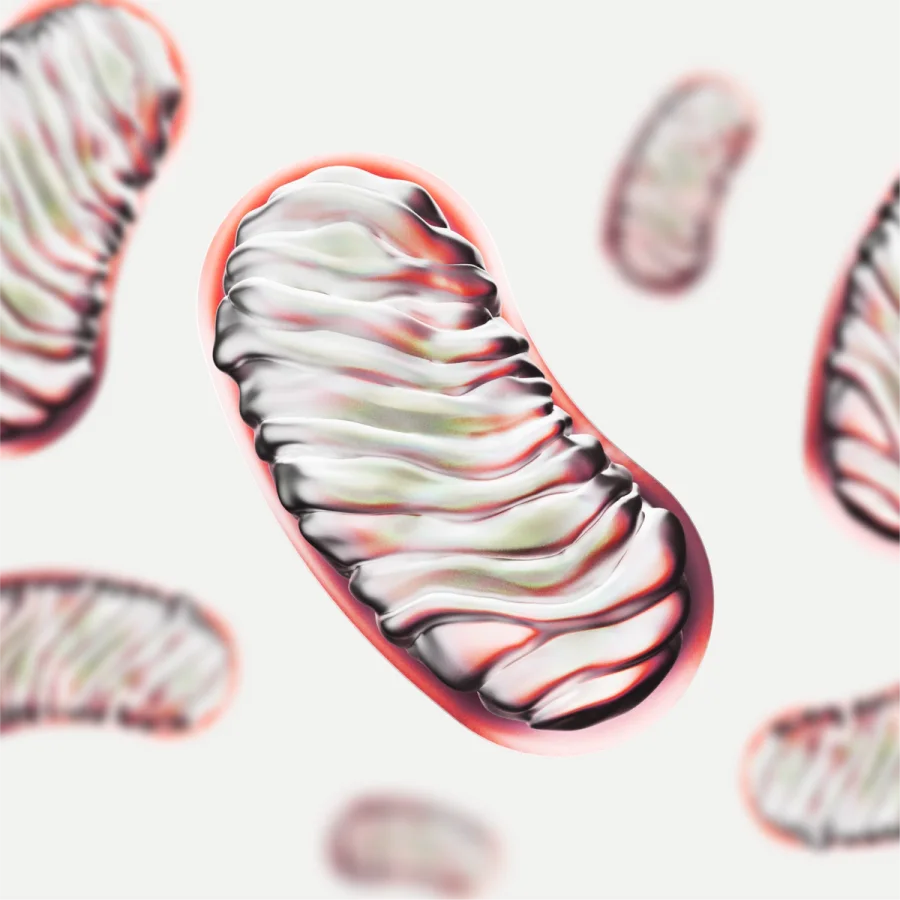
Mitochondria. Timeline calls them "the batteries that make your cells work" and says they "start wearing out in your 30s."
Open the cabinet of anyone who takes longevity seriously and you will find some combination of the same four things: an NAD+ precursor, CoQ10, creatine, and lately spermidine. Each of them has a defensible reason to be there. Each is doing something at the cellular level.
And yet the pile keeps growing, because none of them is doing the thing that actually degrades with age. Adding more fuel to an engine is not the same as replacing the parts of the engine that have stopped working. Your mitochondria have a maintenance crew, and the crew slows down decades before you notice it.
What follows is not a comparison written by an outsider. It is the comparison Timeline publishes on its own science page, next to the trials it paid for and the results that did not go its way.
The one row that reorders the ranking
Timeline scores five compounds on four criteria. Three of the four criteria are the ones you would expect. The first is the one that matters, and it is the one where the stack falls apart.
| Comparison criteria | Urolithin A | NAD+ | CoQ10 | Creatine | Spermidine |
|---|---|---|---|---|---|
| Directly activates mitophagy | Partial | ||||
| Targets a root cause of age-related cellular energy decline | Partial | Partial | Partial | ||
| Benefits without changing exercise routine | |||||
| Complete human clinical trials | Limited | Limited |
Read the top row again. Creatine, CoQ10 and NAD+ get a clean no. Spermidine gets a partial. On Timeline's own scoring, only one compound on that list directly triggers mitophagy.
Which raises the obvious question: what is mitophagy, and why would you care whether something triggers it?
The cleanup crew that slows down in your 30s
Timeline's explanation is short enough to quote in full. "Mitochondria are the batteries that make your cells work." By their account, "90% of your body's energy comes from mitochondria." And "these cellular batteries start wearing out in your 30s."
The body has a process for that. It is called mitophagy, and Timeline describes it as "the crucial pathway that removes dysfunctional mitochondria." Broken units get identified, dismantled and recycled, and fresh ones get built in their place.
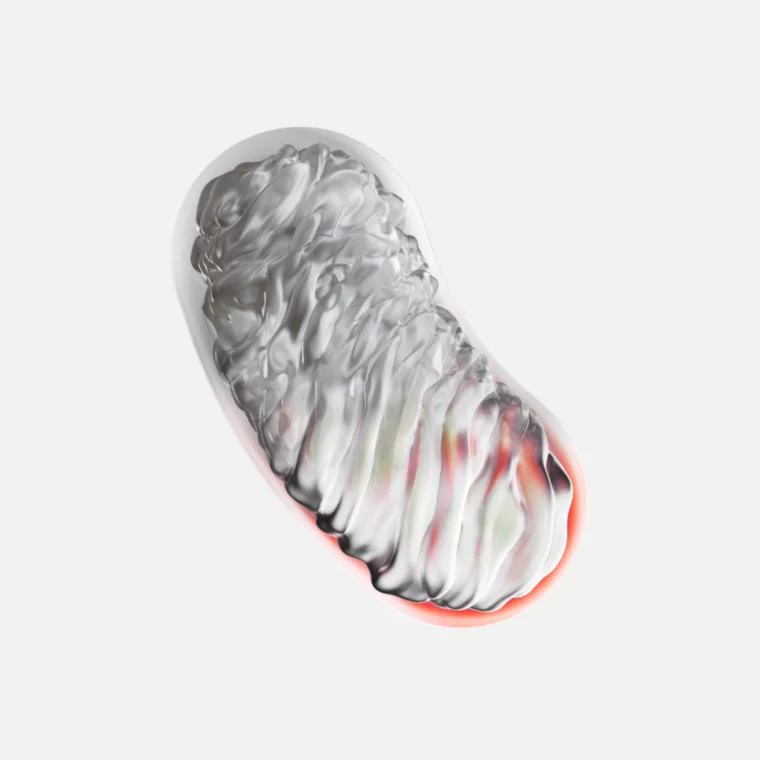
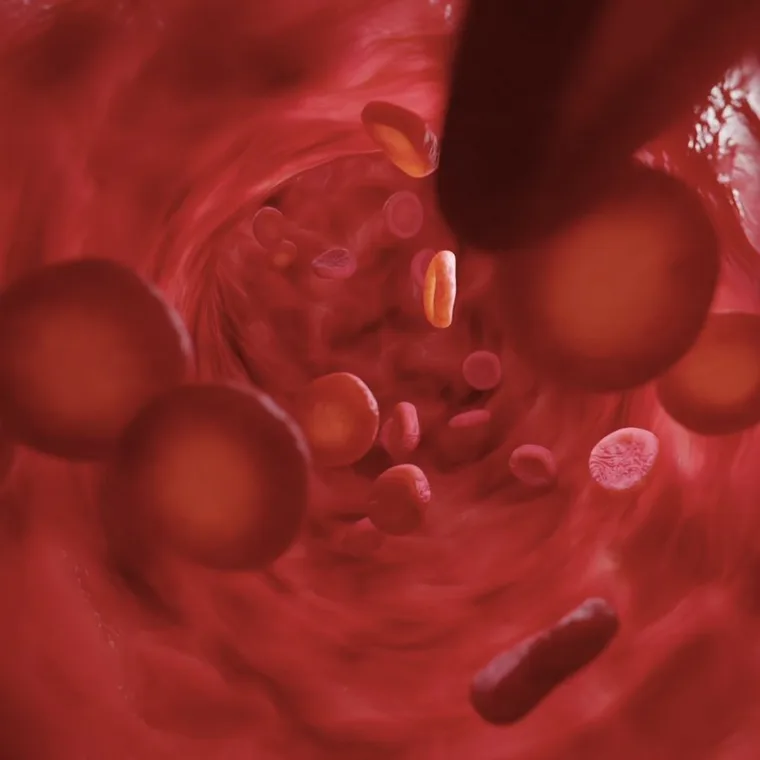
Then, in Timeline's words: "But in your 30s mitophagy starts to slow down." The consequence follows directly. "Old, damaged mitochondria build up, draining cellular energy." And the part you eventually notice: "You get weaker, feel fatigued, and your skin visibly ages."
Source: timeline.com/science/how-it-works and timeline.com/faq, where the company writes that "muscle function starts to decline in our 30s as our mitochondria, our cellular powerhouses, start to break down and lose their efficiency."
This is the gap in the stack. NAD+ and CoQ10 sit close to energy production. Creatine buffers energy in the muscle. Spermidine touches autophagy more broadly. None of them is a dedicated instruction to clear the broken units out.
"Mitopure is important because it activates a potent cellular recycling and renewal mechanism called mitophagy. This process cleans up defective mitochondria and allows the mitochondria to repair itself and improve its performance."
Timeline, product FAQ, timeline.comThe molecule, and why your gut probably is not making enough of it
The compound that does this is Urolithin A, which Timeline calls "a rare postbiotic molecule." You do not eat it. It is formed in the gut, downstream of foods like pomegranates, berries and nuts, by bacteria that break down their polyphenols.

That last part is the problem. Timeline's position, published in its FAQ, is blunt: "Only 30 to 40% of the population possesses the specific gut microbiome required to convert dietary precursors into Urolithin A, and even then, conversion is inconsistent."
Their own bioavailability study puts a number on the baseline. Only 12% of subjects had detectable levels of Urolithin A to begin with. After drinking pomegranate juice, roughly 40% converted the precursors. The company's summary line for consumers is simpler: "Only 1 in 3 people can get enough Urolithin A from diet alone."
And if you happen to be one of the converters? Timeline says you would still need to drink six glasses of pomegranate juice a day to reach the equivalent of the 500 mg dose used in its trials.
Sources: timeline.com/faq and the NOURISH bioavailability study listed at timeline.com/studies.
Mitopure is Timeline's Urolithin A, synthesized to over 99% purity so the dose does not depend on your microbiome. Two vegan softgels a day is the 500 mg used in the trials.
See Mitopure Softgels on timeline.comFour numbers, with the asterisks left on
Supplement marketing usually strips the footnotes. Timeline's are worth keeping, because they tell you exactly who was studied and for how long. These are the four results the company leads with, and the journals that published them.
"Increases mitochondrial renewal by +39% after 16 weeks over placebo."*
"Increases muscle strength by up to 12% after 16 weeks."*
"Induces a signature of improved mitochondria."*
"Mitopure unlocks 6x more Urolithin A than diet alone."**
* and ** are Timeline's own reference markers. Both footnotes are reproduced in full at the bottom of this page, unedited. Study index: timeline.com/studies.
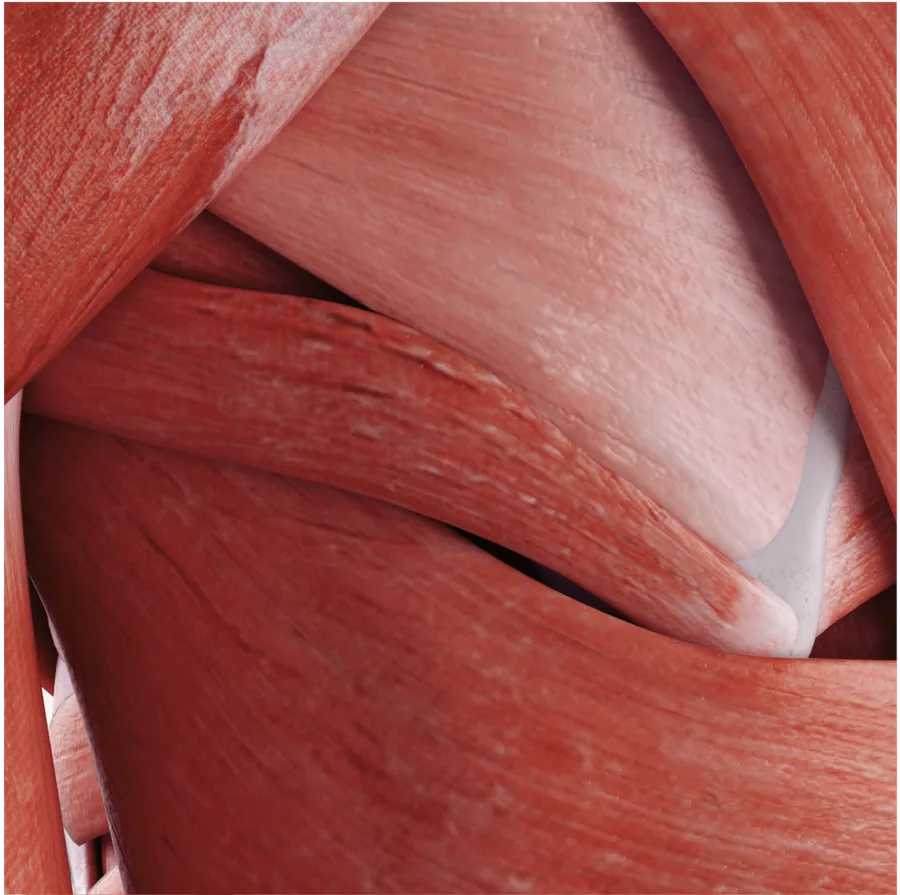
Note what the strength number is not. It is not a claim about athletes, and it is not a claim about the gym. The trial ran in sedentary, middle-aged adults with an average BMI of 29.52, and the measure was hamstring strength in knee extension and flexion. The company states that explicitly, in a footnote, on the product page.
The section most supplement pages delete
Timeline publishes its own null results. Not buried, not reworded: on the studies page, in the same table as the wins, in the same plain summaries. That is unusual enough to be the strongest argument on this page, so here they are in the company's own words.
- On the 16-week middle-aged trial: researchers "do not notice a significant improvement on peak power output," which was the primary endpoint of the study. The strength, endurance and biomarker improvements were the results that did reach significance.
- On the trial in adults aged 65 to 90: "the improvements in the 6-minute walk distance and maximal ATP production in the hand muscle were not significant in the urolithin A group vs the placebo group." Timeline's own summary adds that supplementation was safe, well tolerated, and beneficial for muscle endurance and plasma biomarkers.
- On what you should expect to feel: "Not everyone will feel noticeable changes with Mitopure. Cellular health changes happen internally, often before they are felt. You will likely not feel a sudden energy boost, but the benefits are building over time." Timeline product FAQ. It is the opposite of what a supplement page normally promises.
- On timing: the company recommends a minimum of four months at 500 mg per day, because that is the duration its trials ran. Anyone selling you a two-week transformation is not reading the same papers.
A company that leads with a failed primary endpoint is telling you something about how it treats the rest of its data. Timeline's studies page opens with the line: "At our core, we stand against pseudoscience."
What actually happens, and when
Timeline maps the sequence on its own site. Reproduced here in full, in the company's wording.
Source: timeline.com/science/how-it-works.
Who is behind the research
Timeline was founded in 2007 by MDs and PhDs at EPFL, the Swiss Federal Institute of Technology in Lausanne. The company reports 18+ years of research, 25 human clinical trials involving over 900 participants, more than 500 studies on Urolithin A, and 80 patents on Mitopure.

"What makes Timeline so unique compared to all the other companies out there is really our deep dedication to science that we employ in the development of all of our products."

"Mitochondrial decline is a key hallmark of aging and Mitopure is one of the most promising compounds in our field."

"This is a supplement I use myself everyday to be as healthy as I can, for as long as I can."

"The latest clinical study really crystallizes how Mitopure can be a real game-changer for human health."
Quotes as published at timeline.com/testimonials and timeline.com/about.
What people taking it report
Was skeptical. No more
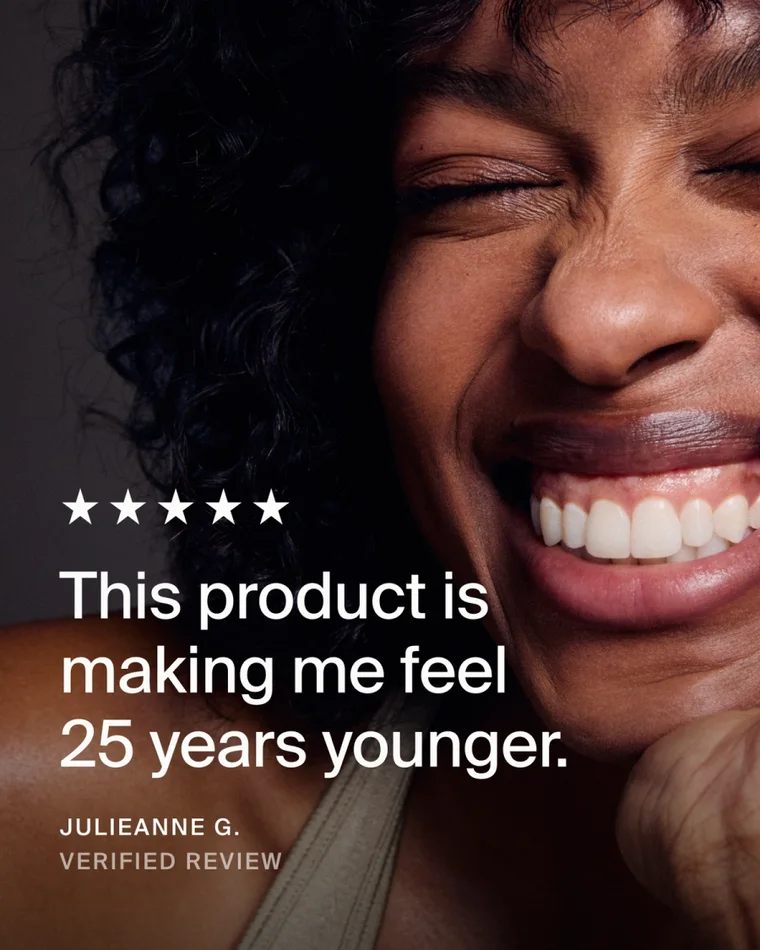
"When it comes to supplements, I'm a 'show me' skeptic. My functional MD recommended Mitopure Softgels, so I gave it a try. Within a few weeks, I could feel the differences. What differences? More energy, greater stamina and improved mental clarity. Now, I'm a believer."
Part of my daily stack
"Part of my daily supplement stack. I've noticed quicker recovery from hard workouts, 1-2 days vs 3-4. Not relevant for average to good workouts, but am noticing this after PR workouts which tend to need longer recovery the older I get."
Definitely a game changer
"I was skeptical at first, but all of science and client reviews convinced me to try. One year later so glad I did. I'm 64 and feel so much better and stronger than I did a year ago. Of course the right nutrition and exercise coupled with Mitopure made this happen."
Try it
"I'm at the 4-5 mth mark now and can honestly say all claims stated are happening. I lift regularly but something has changed, I feel stronger and I have more muscle definition. If you're on the fence I would try it for the 4 mth period and see how you feel. This is legit."
Reviews published at timeline.com/reviews, quoted as written. Individual results vary, and Timeline says so itself in the section above.
The practical part
Certifications and pricing as published at timeline.com, checked 3 August 2026.
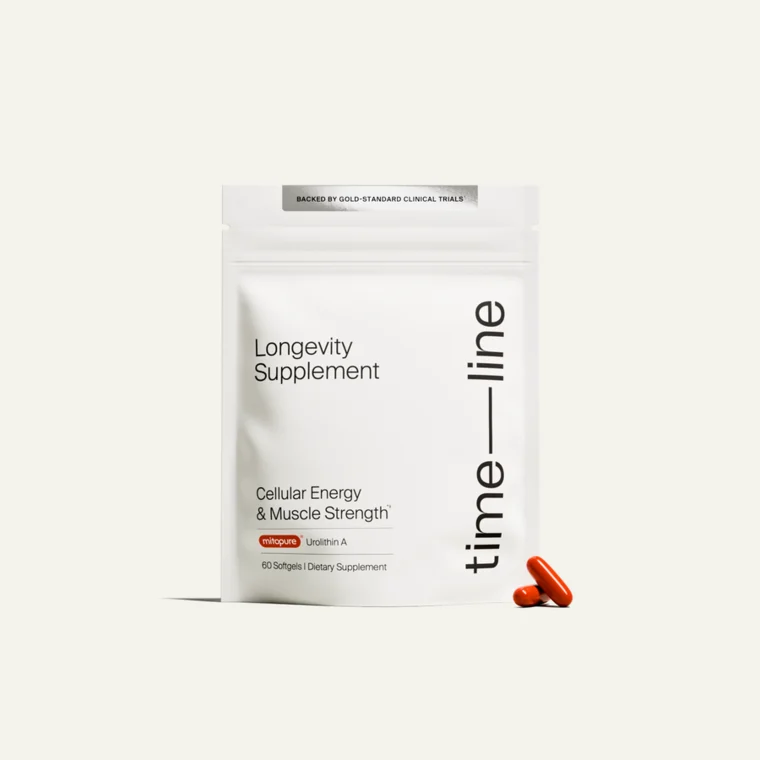
Mitopure Softgels
500 mg of Urolithin A in two vegan softgels. The exact dose used in the clinical trials described above. One month per pouch.
See it on timeline.com Prefer gummiesOne last thing worth saying
Nothing here argues that you should throw out the creatine. Timeline's own table gives creatine a yes on complete human clinical trials, and a yes is a yes. The argument is narrower than that, and it is the argument the table makes: your stack is full of molecules that feed the system, and empty of anything that clears it.
Mitophagy starts slowing in your 30s and does not speed back up on its own. Four months is the honest minimum. The company will tell you itself that you may not feel a thing in week one.
That is a strange way to sell a supplement, which is exactly why it is worth a look.
500 mg of Mitopure, daily
Softgels, gummies or powder, all built on the same Urolithin A.