Reported
150 Million Miles, 300,000 Riders, and the Number in Between
Onewheel publishes three figures about itself. Divide the first by the second and you get the only one that describes an owner.
Every page on onewheel.com carries the same sentence in its source code, the line search engines and messaging apps read when they show a preview: Destroy Boredom on Onewheel, the Best Electric Skateboard. Trusted By 300k Riders. 150 Million Miles Ridden. Designed & Assembled in the USA.
Most numbers a company prints about itself are decoration. Impressions. Followers. Cups of coffee poured. They are picked because they are large, and they are unfalsifiable because nothing can be done with them.
These three are different, and the difference is arithmetic. Two of them are counts of the same thing seen from two ends: a fleet, and the people standing on it. Numbers like that can be divided. When you divide them, they stop being a slogan and start being a description of somebody's week.
The claim
Three figures, one source
All three come from Onewheel itself. They are not audited, and no outside body certifies them. But they are published, repeatedly, in the one place a company is least casual about: the description of its own website.
Published by Onewheel
300k
Riders the company says it has
150M
Miles the company says have been ridden
USA
Where the boards are designed and assembled
Source: the site description published on onewheel.com, read August 28, 2026.
The arithmetic
The number Onewheel does not print
One hundred and fifty million miles. Three hundred thousand riders. The division is not close, and it does not need a spreadsheet.
The only calculation in this article
per rider500
Five hundred miles is roughly the drive from San Francisco to San Diego. It is the average, not the typical, and the distinction matters below.
Five hundred miles is a strange result, because it is far too high for a novelty and far too low for a vehicle. It sits in the awkward middle where real transport lives.
Consider what it takes to get there. A two mile round trip, five days a week, is 520 miles in a year. So the average board in that fleet has done about one commuting year of work. Not one afternoon in a parking lot. Not one video. A year.
Then consider that an average hides its own tail. Some fraction of 300,000 boards are genuinely sitting in garages with 12 miles on them, bought at Christmas and never really adopted. Every board like that has to be paid for by another board carrying thousands. The 500 is not a description of everyone. It is the balance point between the people who never got the hang of it and the people who stopped using their car.

Who logs them
Where 150 million miles actually come from
Onewheel publishes a stories section on its own site, and it is more useful than any review page, because the people in it are named and describable. Read four of them in a row and the same shape appears every time. Nobody is talking about a hobby. They are talking about how they get somewhere.
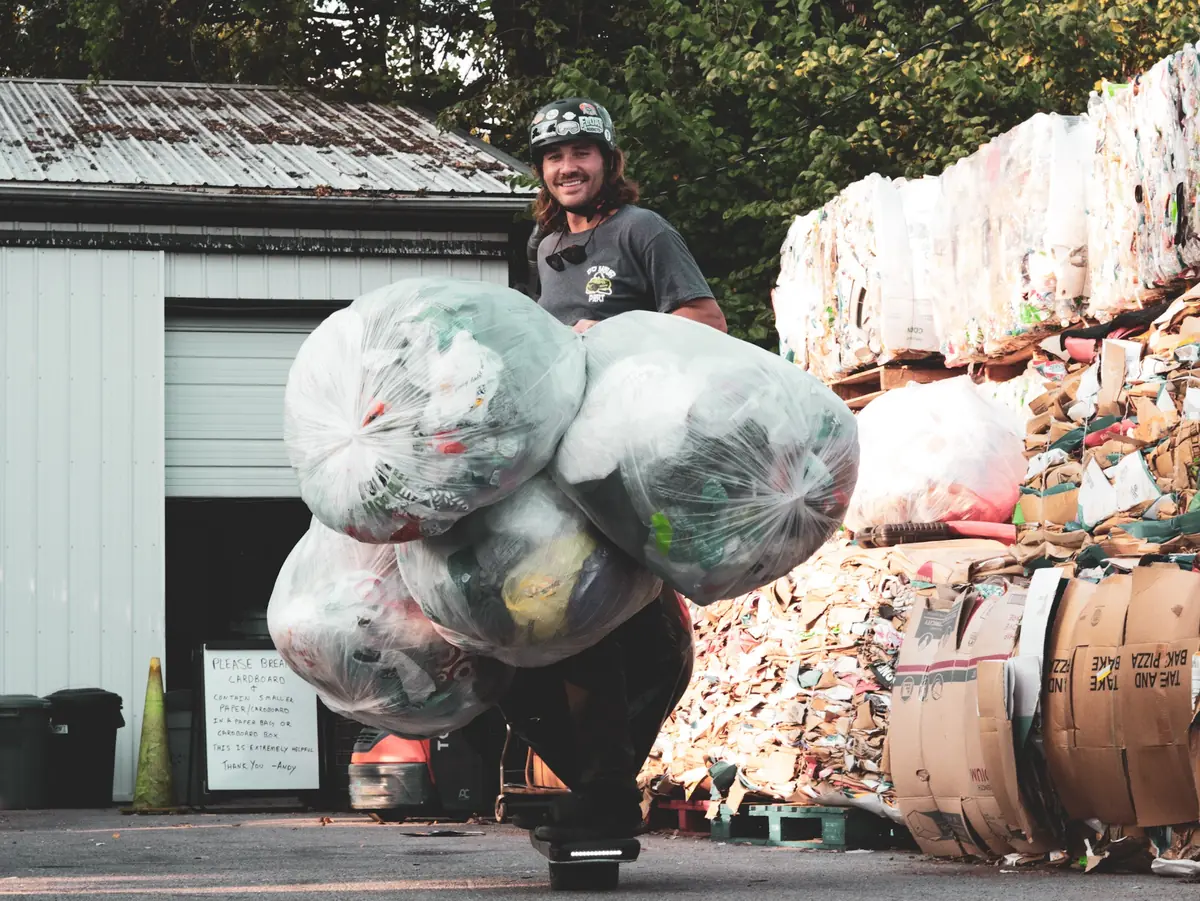
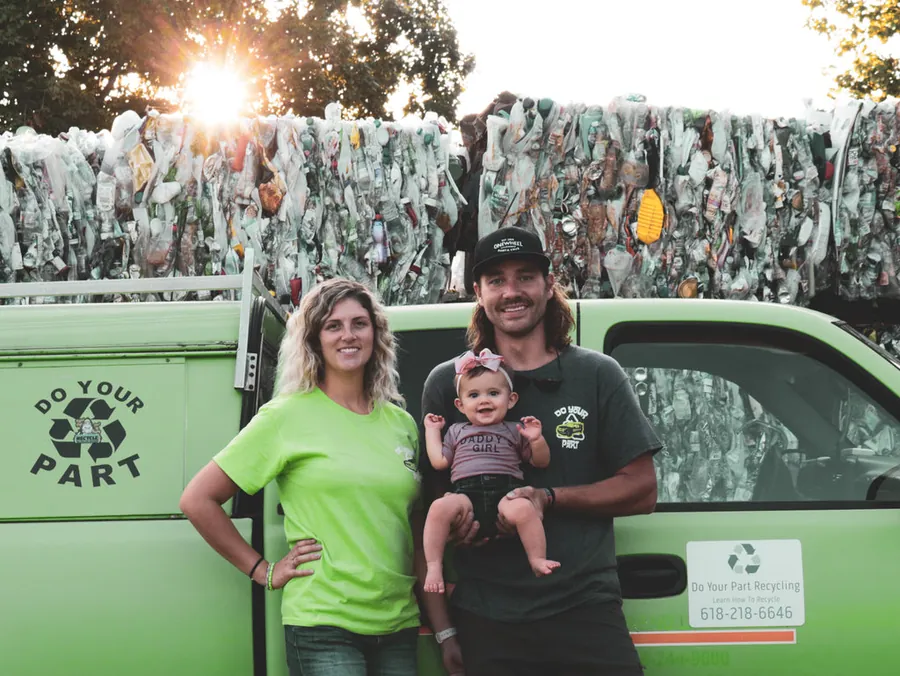
Andy Lamont runs a one man nonprofit recycling operation in Benton, Illinois, a town that lost its recycling dumpster in 2018. He works a full time job at his family's grocery store and does the recycling around it, unpaid.
“I'm on it all day every day! I live around 10 miles from the recycle drop-off, so I ride the Onewheel to and from work. And I use it for almost every aspect of the work we do. I can bail cardboard on it, I can move palates, when stuff gets scattered I use it to go pick it up, I sweep the parking lot while I'm riding it.”
Andy Lamont, Do Your Part Recycling, Benton, Illinois. Published on onewheel.com
Jacob Kear is an American born chef in Kyoto whose restaurant, LURRA, took a Michelin star in its first year. He is describing a tool, not a toy.
“I ride the Onewheel for my 15-minute commute to the restaurant every day. I also use it a lot to get around the mountains when I'm foraging. The Onewheel is a perfect tool for this because it helps me see things differently than I do in a car, and I can get to places that a car can't.”
“I really don't use my car anymore; If I'm going somewhere, I'm on the Pint 80-percent of the time.”
Jacob Kear, chef and co-founder of LURRA, Kyoto. Published on onewheel.com
And Mike Sierra co-founded Meals on Onewheels, a Bay Area volunteer group that supplies unhoused neighbours and started, in his words, with peanut butter sandwiches and a goal of feeding 100 people.
“Onewheels cut down distribution time 10-fold. The growing network and the efficiency of transportation allowed us to get a full day's work done in much less time. It opened a ton of doors.”
Mike Sierra, co-founder, Meals on Onewheels, San Francisco Bay Area. Published on onewheel.com

A commute in Kyoto. A ten mile run to a recycling drop-off in southern Illinois. Supply rounds across San Francisco. This is what an average of 500 miles is made of, and it explains why the number is where it is. These are not people who ride sometimes. They are people who replaced something.
The proof nobody advertises
A fleet with 150 million miles on it needs a parts counter
Here is the useful thing about a mileage claim: it is expensive to be true. Miles wear out tires, bearings, footpads and batteries. If a company's fleet really is riding, the company has two options. It can sell those owners a new board every few years, or it can sell them the part.
Onewheel's own product feed answers that question, and it is not a marketing document. Read on August 28, 2026, the catalog at onewheel.com holds 170 listings that are neither a complete board nor clothing: 98 hardware parts, 55 accessories and 17 workshop services with published prices.
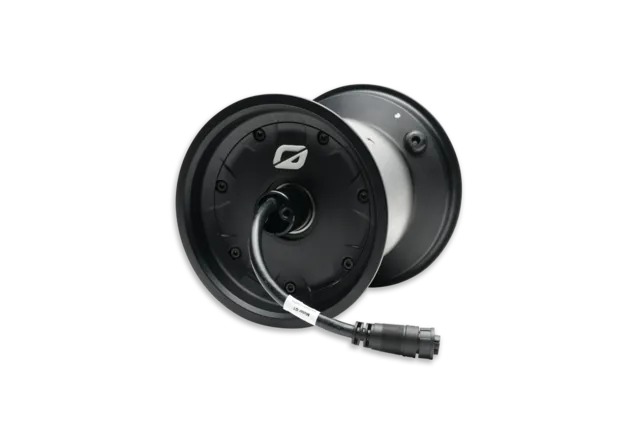
Onewheel GT Motor
$600
GT Battery Module
$600
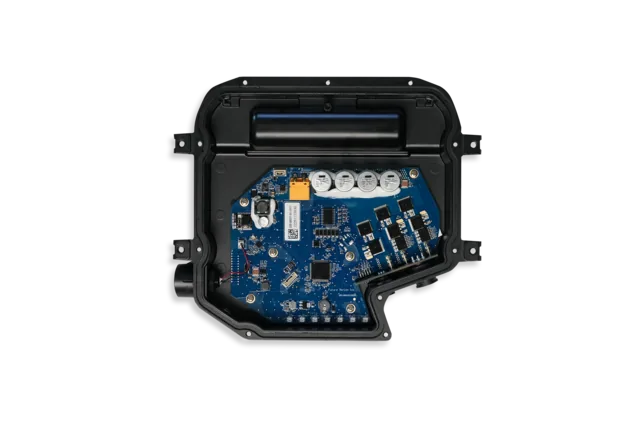
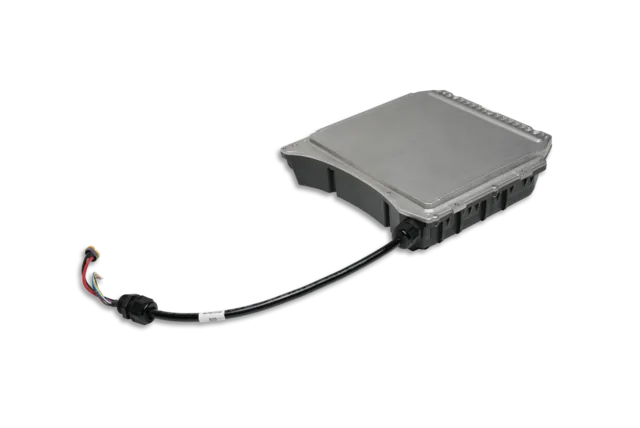
GT Controller Module
$450
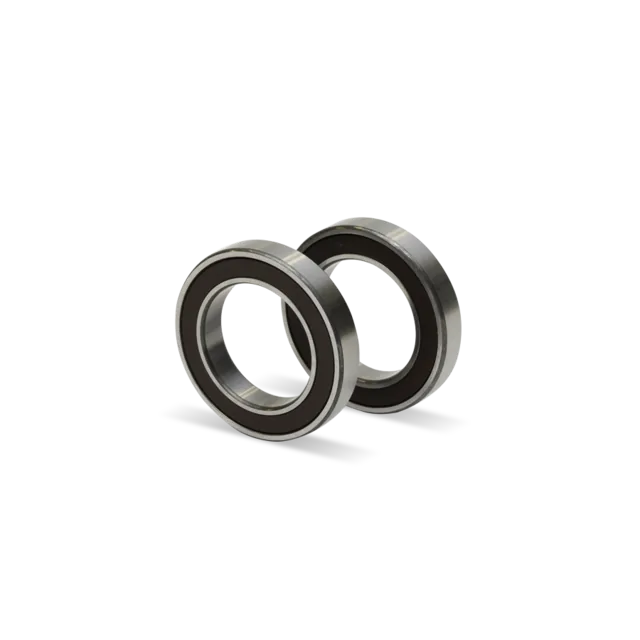
Bearings
From $100
Four of the 170. Prices as listed on onewheel.com, August 28, 2026. Photos: onewheel.com
The interesting part is not the count. It is the coverage. Every generation the company has sold since 2018 still has its three expensive modules on the shelf, at a price you can read without calling anyone.
Replacement modules listed, by board generation
Lowest listed price per module. Source: the Onewheel product catalog, read August 28, 2026. Battery figures are the listed module or replacement service, whichever the generation offers.
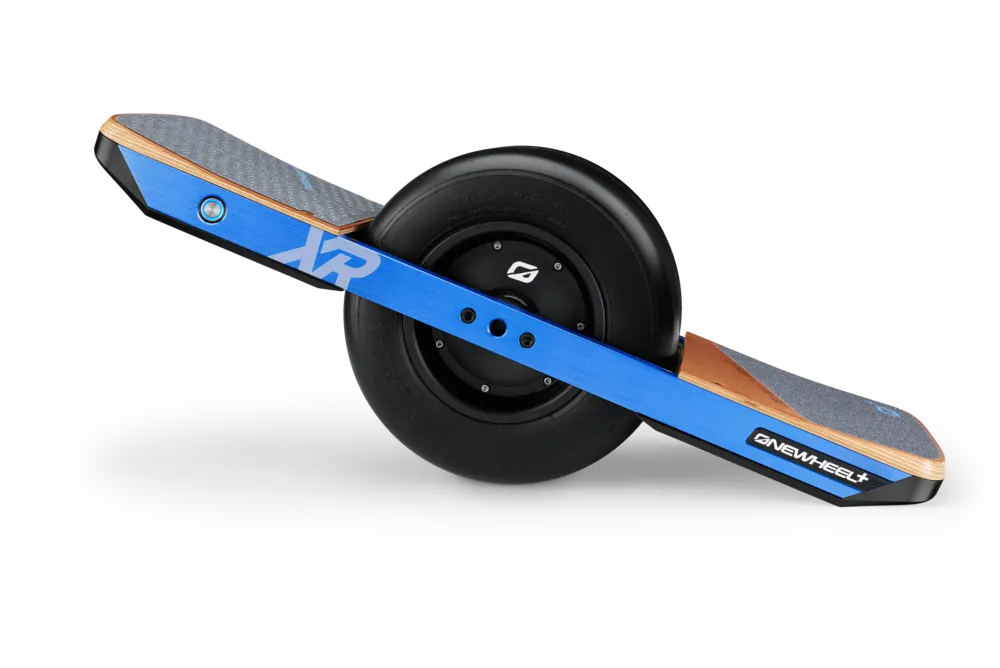
Now go down a level, past the modules, into the listings nobody browses. A cable cover for the XR at $15. A circular connector O-ring at $5. A footpad connector nut at $5. A name badge for a board discontinued years ago, also $5.
A five dollar O-ring for an eight year old board is not a merchandising decision. Nobody builds a margin on it. It exists because somebody, somewhere, has an XR with real miles on it and needs one part to keep it moving, and because the company decided that person should be able to buy it instead of buying a new board.
Then there is the service list: 17 jobs with fixed prices, including a bearings change on a Pint from $200, a battery replacement on a GT at $600, and rail swaps at $450. A tire change is $200 to $250 depending on the board. These are workshop prices, published like a garage publishes a service menu, which is what a company does when it expects the same customers to come back for years.
Read the catalog as an actuarial document
A company that stocks three expensive modules for six generations of hardware, plus a five dollar O-ring for the oldest one, is not merchandising. It is carrying inventory against the expectation that boards it sold years ago are still on the road.
That expectation is the same claim as 150 million miles, written in a language that costs money to lie in.
The third figure
Designed and assembled in the USA, and what that has to do with the O-ring
The third claim in that site description is the one most brands would put last. Onewheel puts it beside the mileage, and on its own history page it is blunt about the cost.
“Every single Onewheel has been built in the USA. Some people think we're crazy for doing it, but we've always believed that it's the best way to make reliable and high-quality boards.”
“Our manufacturing line in San Jose, CA, started with just some folding tables. Fast-forward to today and our facility is the largest light electric vehicle manufacturer in the entire US.”
Future Motion, on its own history page at onewheel.com
The company behind the board is Future Motion, Inc., 1201 Shaffer Rd, Santa Cruz, California 95060, an address it publishes in its own privacy policy and terms of service. Design in Santa Cruz, assembly in San Jose, roughly 35 miles apart.
Those two facts, the parts counter and the domestic line, hold each other up. Stocking a five dollar connector for a 2018 board is easy when the tooling, the bill of materials and the people who built the thing are an hour's drive away, and hard when they are not. The mileage claim, the parts catalog and the assembly line are the same decision seen three times.
Sixteen years of boards, and what is still stocked
The practical part
Which board absorbs your miles
If the 500 mile average tells you anything about buying, it is this: buy for the round trip, not for the week. Range is spent per outing and recharged overnight, so the number that matters is the longest single loop you will do, plus the margin you want on a cold day with a headwind and a rider heavier than the test rider.
Onewheel publishes a range window rather than a single figure for each board, which is the honest way to do it. Here is the full line, with the specifications and prices as listed today.
| Board | Top speed | Range | Weight | From |
|---|---|---|---|---|
| Pint | 16 mph | 6 to 8 mi | 23 lbs | $950 |
| Pint X | 18 mph | 12 to 18 mi | 27 lbs | $1,200 |
| Pint S | 20 mph | 12 to 18 mi | 27 lbs | $1,400 |
| XR Classic | 20 mph | 17 to 24 mi | 30 lbs | $1,900 |
| GT | 20 mph | 20 to 32 mi | 35 lbs | $2,300 |
| GT S-Series | 25 mph | 16 to 25 mi | 33 lbs | $2,900 |
| GT S-Series Rally XL | 25 mph | 18 to 28 mi | 34 lbs | $3,500 |
Specifications and prices as published on onewheel.com, August 28, 2026. Several boards are discounted below these list prices at the time of writing.
Published range window, in miles
Reading the table against your own week
A round trip under four miles, on pavement, is Pint territory, and the Pint is also the lightest thing to carry up stairs at 23 lbs. Between six and twelve miles round trip, the Pint X and the Pint S are the same range window with different top speeds and different money. Past twelve miles, or onto dirt, the XR Classic and the GT are where the window stops being tight. The two S-Series configurations buy speed and a different feel rather than more miles than the GT.
Notice what the numbers say about the money. The GT has the widest published range window of the entire line at 20 to 32 miles, and it is not the most expensive board. Range is not what the top of the range is selling.
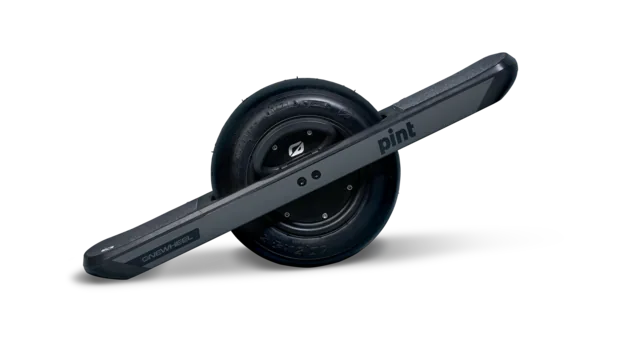
Pint
16 mph · 6 to 8 mi · 23 lbs
From $950
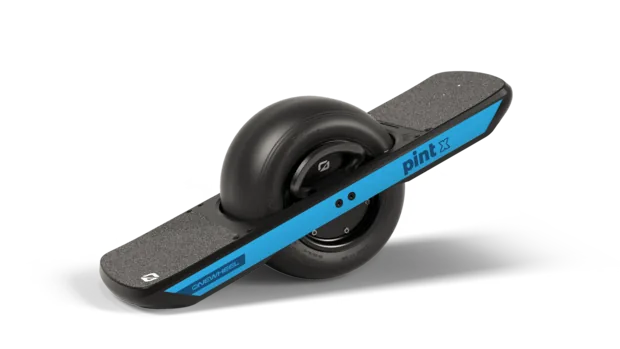
Pint X
18 mph · 12 to 18 mi · 27 lbs
From $1,200
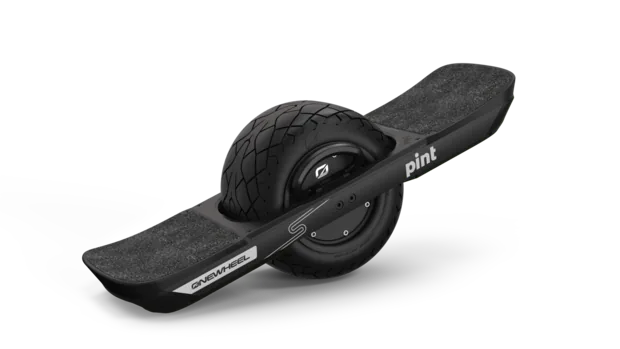
Pint S
20 mph · 12 to 18 mi · 27 lbs
From $1,400
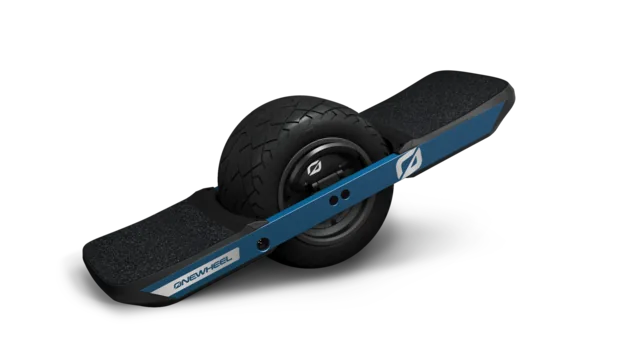
XR Classic
20 mph · 17 to 24 mi · 30 lbs
From $1,900
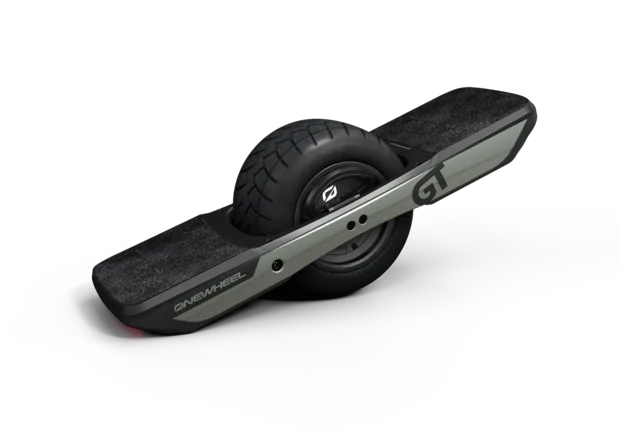
GT
20 mph · 20 to 32 mi · 35 lbs
From $2,300
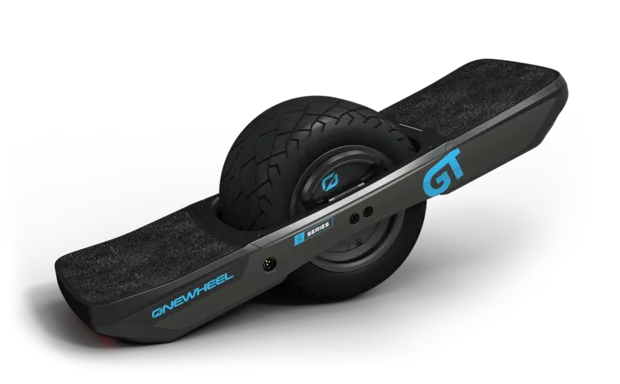
GT S-Series
25 mph · 16 to 25 mi · 33 lbs
From $2,900
Put your round trip against the range window
The comparison page lines up all seven configurations on the same screen, with the current prices.
Compare the whole line See the Pint S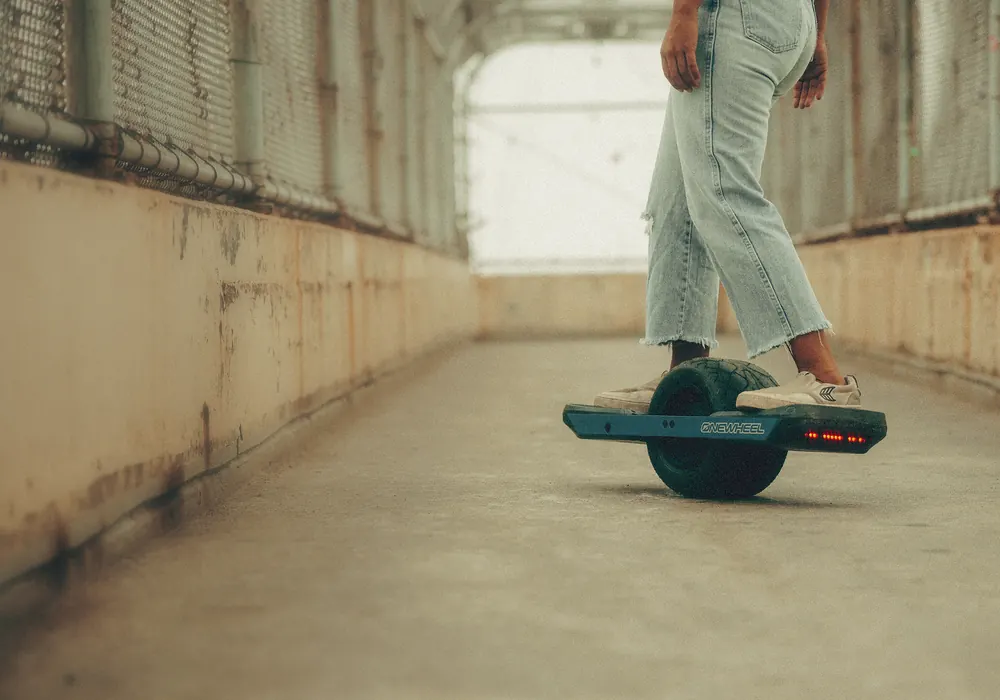
What the miles turned into
150 million miles built a sport, and a sport puts on more miles
There is a second reading of the mileage figure that the arithmetic alone will not give you. A number that large, accumulated by people who mostly bought the thing to get to work, eventually stops being transport and becomes a scene.
The evidence is in the same catalog as the O-rings. Onewheel sells posters for Race for the Rail dated 2024, 2025 and 2026, which means the event has run at least three years. Its own history page says the best riders now race down ski runs on ESPN for a $10,000 purse. And in the store, filed between the sticker packs and the tee shirts, are two listings that are not products at all.
Sold in the Onewheel store, as products
$1,500
Deposit for the Onewheel Adventure trip to the Dolomites, 2026
$2,600
Onewheel Adventure: Southern Utah Tour
$13,300
Top listed configuration of the Dolomites trip
Listings read on onewheel.com, August 28, 2026.
A board company selling group travel to its own owners is an odd business line until you look at the mileage figure again. Onewheel published an account of the first of those trips in September 2025: fourteen riders from around the world, five days, gondolas in the Dolomites, local guides recruited from the Italian riding community, and charging stops at mountain huts that already had e-bike outlets.
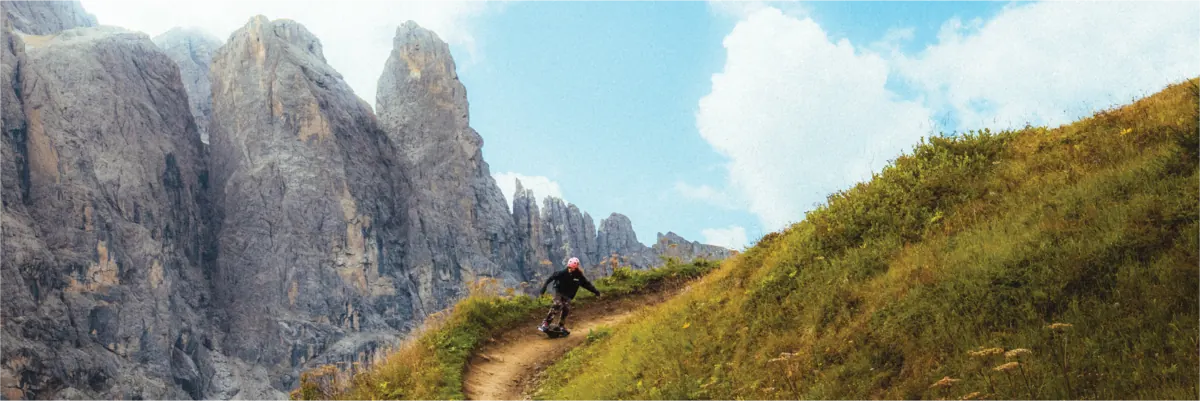
“Looking up at jagged limestone peaks towering overhead and then down at your feet to see a Onewheel, that was the pinch-yourself moment.”
From Onewheel's account of the first Dream Destination trip, published on onewheel.com, September 2025
Every one of those days is more miles on the counter. That is the loop the three figures describe: boards that get ridden turn into a community, a community turns into events, events turn into more riding, and the parts counter carries the whole thing.
The bottom line
What the three numbers are worth
Onewheel's three figures are unaudited, and you should treat them as what a company says about itself. But unlike most brand numbers, they can be checked against things the same company has to do in public.
If the mileage were decoration, there would be no reason to publish 170 parts and service listings. There would be no reason to keep a motor, a battery, a controller and a tire in stock for a board launched in 2018. There would be no reason to price a five dollar O-ring, run a domestic assembly line that the company itself calls a crazy decision, or sell a five day trip to the Dolomites to people who already own the product.
Divide 150 million by 300,000 and you get 500 miles each. Everything else on this page is the company behaving exactly as it would have to if that number were real.

Start with the round trip you actually do
Seven configurations, from a 23 lb Pint to a 32 mile GT. The comparison page puts the published range windows and current prices side by side.
Compare the whole line Or browse the parts counter